

A vitamin deficiency blood test measures the levels of key nutrients such as vitamin D, vitamin B12, iron, and folate to identify whether a deficiency may be contributing to symptoms like fatigue, brain fog, poor sleep, or low mood. In Dubai and across the GCC, where indoor lifestyles and high heat limit sun exposure and affect daily habits, testing is often the most reliable first step before starting any supplement.
Many people only think about vitamins when they begin to feel tired, low on energy, or generally unlike themselves. It often starts with a subtle change: harder to focus during the day, lower energy than usual, or sleep and mood that feel different from what they once were. The natural response is to search for answers, ask friends for supplement recommendations, or try the latest product promising more vitality. But there is one step that is often overlooked before reaching for a new product: understanding what your body actually needs.
Why You Should Test Before You Supplement
Guessing is rarely the best strategy. Fatigue may lead someone to assume they need more iron. Difficulty sleeping may prompt them to try magnesium. Low mood might encourage them to increase their vitamin D intake.
The challenge is that most symptoms are not specific to a single deficiency. Fatigue, brain fog, poor concentration, muscle weakness, low motivation, hair shedding, and mood changes can all have multiple causes. In some cases, nutrient deficiencies may play a role. In others, stress, poor sleep, dehydration, hormonal changes, blood sugar fluctuations, or underlying health conditions may be contributing.
A blood test does not provide all the answers, but it offers a clearer starting point and reduces unnecessary guesswork. Instead of trying multiple supplements and hoping for improvement, you can make decisions based on objective information.
Why Vitamin Deficiencies Are Common in the UAE and GCC
Vitamin deficiencies are common in the UAE largely because modern lifestyles limit sun exposure and disrupt consistent nutrition, despite the region’s year-round sunshine. Key factors include:
- Indoor living: Most people move between air-conditioned homes, offices, vehicles, shopping centers, and gyms, spending very little time in direct sunlight.
- Heat avoidance: Residents often avoid the outdoors during the hottest hours of the day, precisely when sunlight is strongest.
- Demanding routines: Long work hours, frequent travel, stress, and inconsistent eating habits can affect overall nutritional intake.
- Climate and hydration: High temperatures increase fluid loss through sweating. Dehydration is not the same as a nutrient deficiency, but both can contribute to fatigue, headaches, and reduced concentration.
None of this means that everyone living in Dubai is deficient in vitamins or minerals. It highlights the importance of understanding your individual needs instead of making assumptions based on location or lifestyle alone.
What a Vitamin Deficiency Blood Test Can Detect
A healthcare professional may recommend different blood tests depending on your symptoms, medical history, dietary habits, and health goals. Common tests include:
| Test | What It Helps Assess |
|---|---|
| Vitamin D | Bone health, immune function, mood, energy |
| Vitamin B12 | Energy metabolism, nervous system function |
| Iron studies | Oxygen transport, persistent fatigue |
| Folate | Cellular processes, red blood cell formation |
| Thyroid markers | Metabolism, energy, weight, mood |
In some situations, additional testing may be recommended based on specific concerns. The purpose is not to search endlessly for problems. It is about gathering meaningful information that can guide a more personalized approach to health. For many people, receiving clear results is reassuring: it transforms uncertainty into understanding.
Vitamin D Deficiency in Dubai: The Sunshine Paradox
Vitamin D deficiency is one of the most discussed health topics in the UAE, which may seem surprising in one of the sunniest regions in the world. The explanation is simple: access to sunlight and actual sun exposure are not the same thing.
Many residents avoid extended time outdoors during the hottest parts of the day. Others work indoors during most daylight hours or use sun protection regularly. Cultural clothing choices and lifestyle habits can also influence how much sunlight reaches the skin.
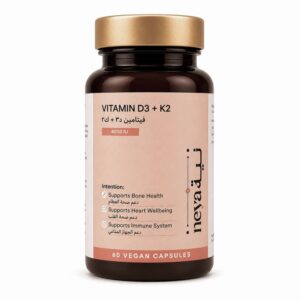
As a result, vitamin D levels vary significantly from person to person. Because symptoms of low vitamin D overlap with many other health concerns, a vitamin D test is the most reliable way to understand your status and determine whether supplementation may be appropriate.
Vitamin B12, Iron, and Folate: The Energy Connection
Persistent fatigue is one of the most common reasons people seek nutritional support, and vitamin B12, iron, and folate often come up because of their roles in normal physiological function:
- Vitamin B12 contributes to energy metabolism and supports the nervous system.
- Iron is essential for carrying oxygen throughout the body.
- Folate is involved in numerous cellular processes.
When levels are low, people may experience symptoms that affect daily quality of life. However, low energy does not automatically indicate a deficiency. Testing allows supplementation to be targeted and purposeful rather than based on trial and error.
Magnesium, Sleep, and Stress
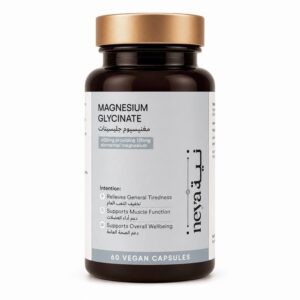
Magnesium has gained significant attention in discussions around sleep, relaxation, muscle function, and stress management. It is involved in hundreds of processes within the body, yet assessing magnesium status can be more complex than assessing other nutrients, because symptoms associated with low magnesium are often nonspecific.
This is why magnesium should be considered within the broader context of your wellbeing. Sleep habits, stress levels, dietary intake, physical activity, and general health all contribute to how you feel. A qualified healthcare professional can help determine whether magnesium is likely to be relevant in your individual situation.

How Testing Makes Your Supplement Routine Personal
Two people can arrive at a clinic with similar symptoms and require completely different approaches. One may discover that low vitamin D is contributing to their fatigue. Another may find their nutrient levels are normal, while sleep quality or stress management deserve greater attention. Someone else may uncover an issue that requires further medical evaluation.
This personalized perspective moves wellness away from generic advice and toward solutions that are relevant to the individual. When decisions are guided by information, they tend to be more effective and sustainable.
Supplements Should Be Intentional
The supplement market continues to grow, offering countless products for energy, immunity, sleep, and focus. Having options is beneficial, but it can make it difficult to know what is truly necessary.
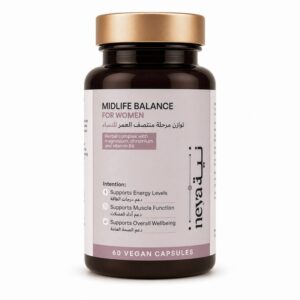
At NEYA, we believe supplementation should be intentional rather than excessive. Every ingredient should serve a purpose, and every product should fit into a broader strategy that supports long-term health. Testing helps create that strategy: instead of buying multiple supplements based on trends, you can focus on what is most relevant to your individual needs.
When Should You Get a Vitamin Deficiency Test?
Consider speaking with a healthcare professional about testing if you experience any of the following on a persistent basis:
- Ongoing fatigue or low energy despite adequate rest
- Brain fog or poor concentration
- Poor sleep quality
- Muscle weakness or frequent tension
- Frequent illness
- Mood changes
- Symptoms that continue despite healthy lifestyle habits
Testing may also be useful for people with restricted diets, digestive concerns, demanding training schedules, frequent travel, or specific life stages such as pregnancy and postpartum recovery. The key consideration is persistence: temporary fluctuations in energy are part of life, but ongoing symptoms deserve attention rather than dismissal.
Frequently Asked Questions
What does a vitamin deficiency blood test check for?
A vitamin deficiency blood test typically checks levels of vitamin D, vitamin B12, iron, and folate, and may include thyroid markers and other indicators. The exact panel depends on your symptoms, medical history, and health goals, as determined by a healthcare professional.
How do I know if I have a vitamin deficiency?
Common signs include persistent fatigue, brain fog, poor sleep, muscle weakness, hair shedding, and mood changes. Because these symptoms overlap with many other causes, a blood test is the only reliable way to confirm a deficiency.
Why is vitamin D deficiency so common in the UAE despite the sunshine?
Because most residents spend the majority of their day indoors, avoid the sun during peak hours, and often use sun protection or clothing that limits UV exposure. Access to sunlight is not the same as actual sun exposure, which is why vitamin D testing is widely recommended in the region.
Should I take supplements without doing a blood test first?
Testing first is generally the smarter approach. Symptoms like fatigue or poor sleep have many possible causes, and a blood test helps identify whether a nutrient deficiency is actually involved. This allows supplementation to be targeted and intentional rather than based on guesswork.
Where can I get a vitamin deficiency blood test in Dubai?
Vitamin deficiency testing is widely available in Dubai through hospitals, clinics, and licensed laboratories, and some providers offer at-home sample collection. A healthcare professional can advise which panel is appropriate for your symptoms and history.
Awareness Is the First Step
A vitamin deficiency blood test is not about searching for problems where none exist. It is about gaining a clearer understanding of your health and making decisions based on evidence rather than assumptions.
In a fast-paced environment like Dubai, where work demands, climate, travel, and lifestyle habits all influence wellbeing, accurate information is incredibly valuable. Awareness allows you to take a proactive approach and focus your efforts where they are most likely to make a difference. Better health often begins with understanding, and sometimes the most meaningful step is simply learning what your body may be trying to tell you.
Note: This article is for informational purposes only and is not intended to diagnose, treat, cure, or prevent any disease. Consult a healthcare professional before starting any supplement, particularly if you are pregnant, nursing, or taking medication.







Add comment