

Over the past decade, health information has become more accessible than at any other point in history. We can track our sleep, monitor our heart rate, count our steps, analyze our food intake, measure our glucose levels, and receive endless streams of advice from experts across every social media platform.
In theory, this should make us healthier.
Yet many people seem more overwhelmed than ever.
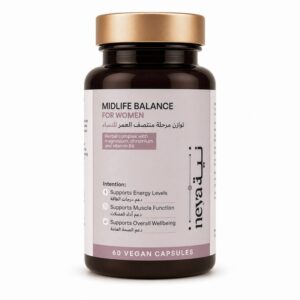
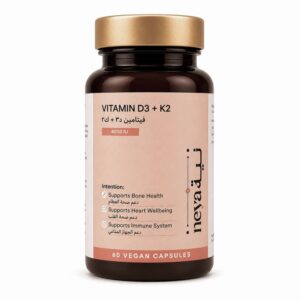
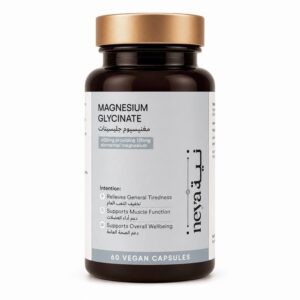
I increasingly meet individuals who are exhausted not only by their symptoms but also by the effort of trying to manage them. They are following multiple health influencers, taking a drawer full of supplements, experimenting with different diets, tracking numerous health metrics, and constantly searching for the next piece of information that might finally provide the answer.
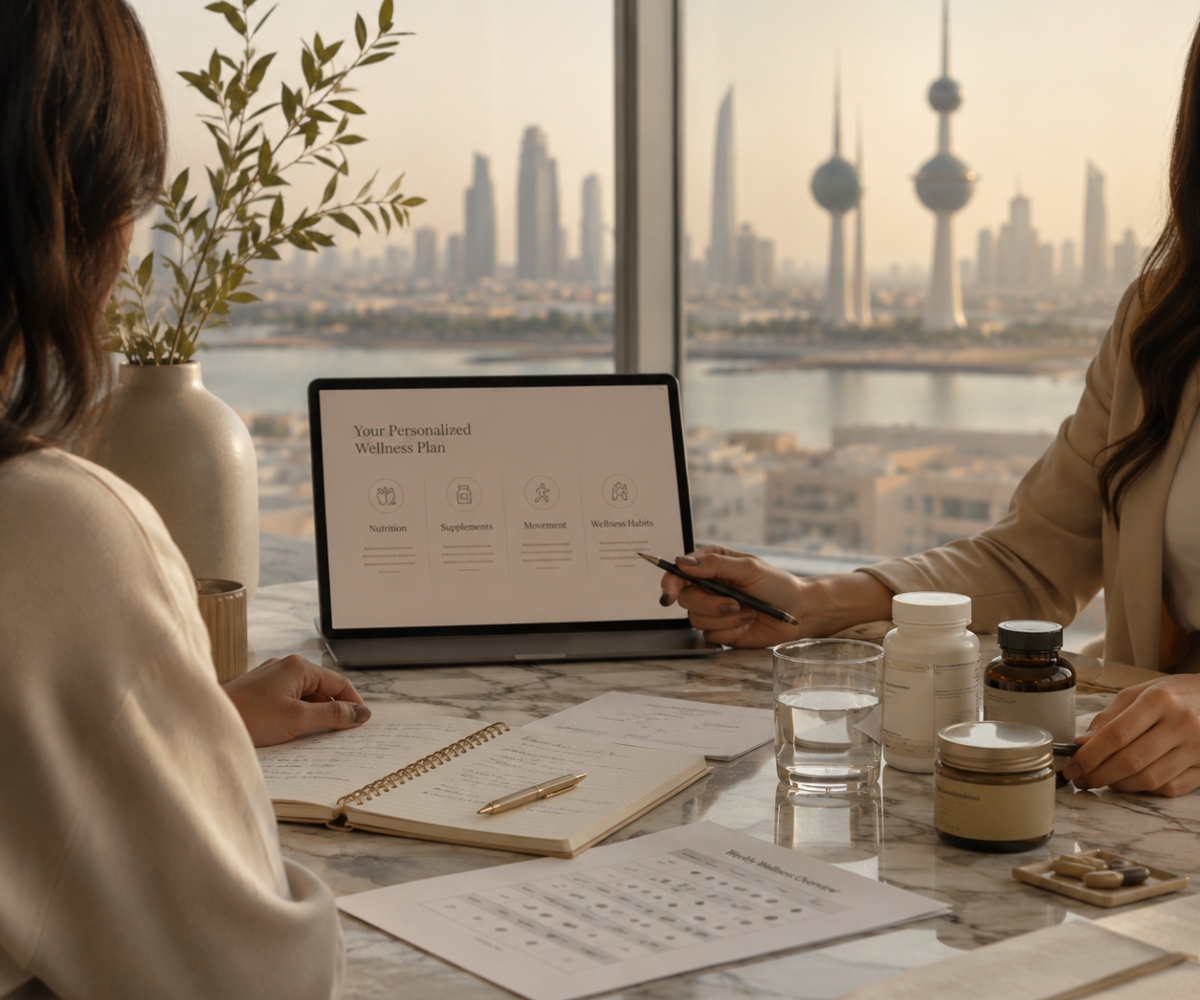
At some point, health itself becomes another source of stress.
What I have learned over the years is that good health is often less complicated than we make it. The fundamentals remain remarkably unchanged. Most people benefit from sleeping more, moving more, eating a varied and nourishing diet, spending time outdoors, maintaining meaningful relationships, and finding ways to manage stress.
These habits are not particularly exciting, which may explain why they receive less attention than the latest wellness trend. Yet they continue to deliver results decade after decade.
Health should support life, not consume it. I once heard someone say, “I do everything right, why do my labs show all these health issues?” Well, think about it. If your wellness routine leaves you feeling anxious, overwhelmed, or constantly worried about doing everything that day, it may be worth asking whether the pursuit of health has become more demanding than the problem it was meant to solve.
Sometimes the healthiest thing we can do is simplify.







Add comment