
For years, I relied on wellness products designed somewhere else.
Like many people living in the Gulf, I ordered supplements from overseas, researched international brands, compared ingredients, and hoped that what worked for someone in another part of the world would work equally well for me.
Sometimes it did.
Often, it didn’t.
And even when I found products I trusted, there was another challenge: availability.
One month, a product would be in stock, and the next month it wouldn’t. Shipping delays became normal, import costs continued to rise, and products would disappear from shelves for weeks or even months at a time.
The experience left me asking a simple question:
Why are we still relying almost entirely on solutions built for other markets?
The GCC Is Unique
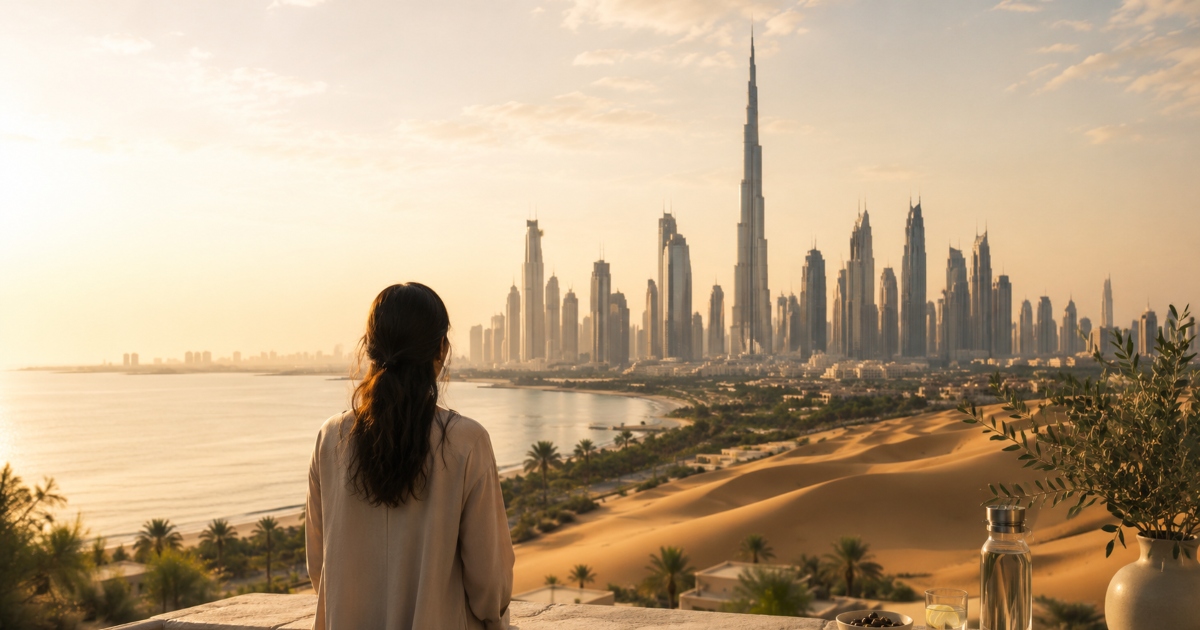
The Gulf region is unlike anywhere else in the world.
We live in one of the hottest climates on the planet, yet many of us spend most of our days indoors despite having year-round sunshine. We balance demanding careers, busy family lives, frequent travel, and increasingly fast-paced lifestyles, all while navigating environmental conditions that influence how we eat, move, recover, sleep, hydrate, and manage stress.
Yet much of the wellness industry continues to treat health as though everyone lives under the same conditions.
The reality is that the environment, lifestyle, culture, and climate all play important roles in our well-being. When it comes to supporting health, context matters.
The Paradox of Sunshine
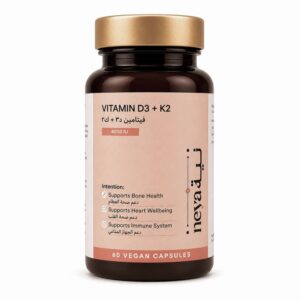
One of the most surprising realities in the Gulf is that many people live in a region filled with sunshine yet struggle with low vitamin D levels.
At first glance, it doesn’t seem to make sense.
But when you consider modern life, it becomes easier to understand.
Many people commute by car, work indoors, exercise indoors, and spend much of the day protected from direct sunlight. The result is a lifestyle that looks very different from what outsiders often imagine about the region.
This is just one example of why assumptions don’t always match reality.
Hydration Is More Than Drinking Water
Living in a high-heat environment places unique demands on the body.
Many people focus on drinking more water, which is important, but hydration is about more than water alone. Sweat, heat exposure, exercise, travel, fasting, and long working days can all influence how we feel and function.
Fatigue, headaches, poor concentration, and low energy are often accepted as normal parts of life. But sometimes they are signs that our bodies need better support.
The more I learned about wellness, the more I realized that many of the challenges people experience in the Gulf are not isolated issues. They are part of a larger regional reality that deserves greater attention and understanding.
Wellness Should Feel Relevant
One reason wellness can feel overwhelming is that much of the information available online is intended for entirely different audiences.
While health principles may be universal, the way they are applied often varies depending on climate, lifestyle, priorities, and cultural norms. Advice that works well in one part of the world may not always fit naturally into life in another.
People are more likely to make positive changes when wellness feels relevant to their everyday lives. When recommendations acknowledge the realities they face, fit naturally into their routines, and feel practical rather than complicated, healthy habits become easier to maintain.
We Deserve Better Than Generic Solutions
For a long time, the Gulf region has been treated primarily as a market for imported products.
Products are often developed elsewhere, marketed elsewhere, and then shipped into our region. There is nothing inherently wrong with global brands—many are excellent—but local challenges deserve local understanding.
The more I spoke with healthcare professionals, wellness practitioners, friends, family members, and consumers across the region, the more I realized the same frustrations kept appearing. People wanted products they could trust, consistency they could rely on, transparency about what they were taking, and simpler solutions that fit their lives.
Most importantly, they wanted brands that genuinely understood the realities of living in the GCC.
A New Generation of Wellness
Something exciting is happening across the Gulf.
People are becoming more proactive about their health. They are asking better questions, looking beyond quick fixes, and investing in prevention, education, and long-term wellbeing.
There is a growing awareness that wellness is not about chasing trends. It is about creating a strong foundation that supports everyday life.
This shift represents an opportunity—not simply to sell products, but to build brands that genuinely serve the people who live here. Brands that educate, empower, and understand the unique needs of the communities they support.
Building for the Region We Call Home
My own health journey taught me many things.
Becoming a caregiver taught me even more.
Both experiences ultimately led me to the same realization:
The Gulf deserves wellness solutions designed with the Gulf in mind.
Not because we are different from the rest of the world, but because our environment, lifestyle, and daily realities deserve consideration.
When wellness feels relevant, people engage with it. When it feels accessible, people embrace it. And when it feels designed for them, people are more likely to make lasting changes.
The future of wellness in the GCC will not be built by simply copying what works elsewhere. It will be built by understanding the people who live here, the challenges they face, and the goals they aspire to achieve.
Because the best wellness solutions don’t just fit into people’s lives.
They are created with those lives in mind.






Add comment