

The most common signs of low magnesium include fatigue, muscle tension and cramps, poor or restless sleep, irritability, low energy, tension headaches, difficulty relaxing, a feeling of being wired but tired, and a jaw or shoulders that never fully release. These symptoms are non-specific and can have many causes, so they are not a diagnosis. But when they appear consistently and together, low magnesium intake may be one part of the picture, especially for people living the fast-paced, indoor, high-heat lifestyle that is normal across the GCC.
Magnesium is involved in hundreds of processes in the body, including muscle function, nerve function, energy production, and relaxation. It rarely gets the attention that vitamin D or vitamin C receive. It is a quiet mineral. But when levels are low, the body may begin to feel anything but quiet.
What are the signs of low magnesium?
Magnesium deficiency can be difficult to recognize because the signals feel general and are easy to attribute to a busy week. The signs most often reported include:
- Fatigue and low energy that does not improve with rest
- Muscle tension, tightness or cramps
- Poor sleep quality, or waking during the night
- Restlessness and difficulty switching off
- Irritability and a shorter fuse than usual
- Tension headaches
- A clenched jaw or persistently tight shoulders
- Difficulty relaxing even when there is time to rest
- Feeling wired but tired at the end of the day
Experiencing one of these does not mean you are deficient. They matter most when they are consistent, when several appear at once, and when they show up alongside other changes in how you feel. The NIH notes that early signs of low magnesium can include fatigue and weakness, with more pronounced symptoms possible as depletion progresses.
Why does magnesium matter in the body?
Magnesium helps the body function smoothly. It supports normal muscle and nerve function, contributes to normal energy-yielding metabolism, and plays a role in relaxation and sleep quality.
It is also closely connected to how we experience stress. When life becomes demanding, many people feel it physically before they name it emotionally: tight muscles, poor sleep, fatigue, irritability, and difficulty unwinding become part of the daily baseline. Magnesium is often discussed in relation to relaxation because of its role in normal nerve and muscle function. That does not make it a cure for stress. It may, however, support the body’s natural ability to settle when combined with healthy habits.
Why is low magnesium common in the GCC?
Life in the GCC creates a specific set of pressures on magnesium status. Long working hours, high stress, frequent travel, intense heat, air-conditioned indoor living, regular exercise, and inconsistent eating patterns all place demands on the body.
At the same time, many modern diets in the region are low in magnesium-rich foods such as leafy greens, nuts, seeds, legumes, and whole grains. The result is that some people may simply not be taking in enough magnesium for their body to feel balanced and supported. This is one of the silent nutrient gaps that often goes unnoticed until the body starts asking louder.
How do you know if it is stress or low magnesium?
In practice, the two overlap. Stress is not only something we feel emotionally. We carry it physically, through tight shoulders, a clenched jaw, disrupted sleep, digestive discomfort, low energy, and difficulty focusing through the day. Those are also the signals people associate with low magnesium.
The useful question is not which one it is, but what your body currently needs. Healthy sleep routines, regular movement, proper hydration, mindful breathing, nourishing food, healthy boundaries, and adequate rest all play important roles in wellbeing. Magnesium is not a replacement for those foundations. It can be part of them.
Which foods are highest in magnesium?
Food is always the first place to start. Magnesium-rich foods include:
| Food group | Examples |
| Leafy greens | Spinach, Swiss chard |
| Nuts and seeds | Pumpkin seeds, almonds, cashews |
| Legumes | Black beans, lentils |
| Whole grains | Oats, brown rice |
| Other | Dark chocolate |
But real life is not always perfect. Some people struggle to reach adequate intake through diet alone. Others may have higher needs, or may benefit from supplementation based on their lifestyle, activity level, and health status.
Which form of magnesium is best absorbed?
Not all magnesium is the same. The form determines how well it is absorbed and how it feels in the digestive system.
| Form | Absorption | Commonly used for |
| Magnesium bisglycinate (glycinate) | High | Sleep, relaxation, muscle tension, daily use |
| Magnesium citrate | Moderate to high | General intake, digestive regularity |
| Magnesium oxide | Low | Widely available, often poorly tolerated |
Magnesium bisglycinate is bound to glycine, an amino acid associated with a calming effect on the brain. That combination is why it is often chosen when the goal is to support both physical and mental relaxation, and why it tends to be gentle on digestion compared with less absorbable forms.

When is the best time to take magnesium glycinate?
Magnesium glycinate is most often taken in the evening, as part of a wind-down routine, because of its association with relaxation and sleep quality. It is suitable for use at any time of day, and consistency matters more than timing. Taking it at the same time each day makes it easier to maintain and easier to notice how you respond.
How long does magnesium take to work?
Some people notice subtle changes within a few weeks of consistent use. Magnesium is not a same-night fix. It works quietly, and it works best alongside the basics: sleep routine, hydration, movement, and nourishing food.
Frequently Asked Questions
What are the first signs of magnesium deficiency?
Early signs commonly include fatigue and weakness, muscle tension or cramps, poor sleep, and irritability. These are general symptoms with many possible causes and should not be used as a self-diagnosis.
Can low magnesium cause poor sleep?
Magnesium plays a role in normal nerve and muscle function and in relaxation, and low intake is frequently discussed in relation to restless or disrupted sleep. It is one factor among several, not a standalone explanation.
Can low magnesium cause anxiety or irritability?
Irritability and difficulty relaxing are among the signals people associate with low magnesium, because of magnesium’s role in normal nervous system function. Persistent anxiety should be discussed with a healthcare professional.
Is magnesium glycinate better than magnesium citrate?
Magnesium bisglycinate is highly absorbable and generally gentle on digestion, which makes it well suited to daily use and to evening routines focused on sleep and relaxation. Citrate is also well absorbed but is more often associated with a laxative effect.
Can I take magnesium and vitamin D together?
Yes. Magnesium supports vitamin D metabolism, and the two are often taken together as part of a consistent daily routine.
Should I get my magnesium levels tested?
If you suspect your magnesium levels may be low, speak with a healthcare professional, particularly if you have a medical condition or take medication. Standard blood tests have limitations for assessing magnesium status, which is why symptoms are usually considered alongside diet and lifestyle.
Can I take magnesium every day?
Magnesium bisglycinate is suitable for daily use at evidence-based dosages. If you are pregnant, nursing, taking medication, or managing a medical condition, consult your healthcare provider first.
Listening before the body gets louder
The body usually communicates gently before symptoms become harder to ignore. A restless night. A tight muscle. The sense of being constantly wired but tired. A body that never seems to fully switch off.
These are signals worth paying attention to. Have you been sleeping well? Are you hydrated? Are you eating enough nourishing food? Is your body getting enough time to recover?
Wellness is rarely about a single nutrient. But minerals like magnesium help bring us back to the basics: rest, recovery, nourishment, and steadiness.
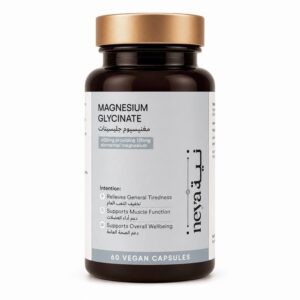
NEYA Magnesium Glycinate uses magnesium bisglycinate for high absorption and gentle daily use, formulated for the pace, heat, and indoor reality of life in the GCC, with delivery across the region.
Sources
National Institutes of Health, Office of Dietary Supplements: Magnesium Fact Sheet for Health Professionals. https://ods.od.nih.gov/factsheets/Magnesium-HealthProfessional/





Add comment