

Preventive health means supporting your body before problems appear, rather than reacting once symptoms arrive. It is built through small, consistent choices: better sleep, daily movement, hydration, stress management, and early attention to nutritional gaps. In the GCC, where indoor living, heat, and demanding schedules quietly drain the body, prevention is not a wellness trend. It is the most practical form of self-respect available to us.
For most of my life, I thought about health the way many people do. If something goes wrong, you fix it. If you get sick, you seek treatment. If symptoms appear, you look for solutions. Health was something I assumed would always be there, until it wasn’t.
It wasn’t until my own health challenges, and later my mother’s Alzheimer’s diagnosis, that I began to see things differently. Today, I believe one of the greatest opportunities we have is not simply treating illness, but preventing it, or at the very least, creating the strongest possible foundation before problems arise.
What does preventive health actually mean?
Preventive health is the practice of protecting your future well-being through daily choices, rather than waiting for a diagnosis to act. It includes nutrition, sleep, movement, stress management, and correcting nutrient deficiencies before symptoms develop.
For generations, healthcare has largely been focused on reacting to illness. Symptoms appear, you visit a doctor, receive treatment, and then work to manage the condition. While modern medicine has achieved extraordinary things and continues to save countless lives, many of us are beginning to ask a different question: what if we paid attention sooner? What if we focused more energy on supporting our health before it begins to decline?
Prevention isn’t about fear. It’s about awareness. It’s about understanding that the choices we make today often influence how we feel tomorrow, next year, and even decades from now. Rather than waiting for our bodies to signal that something is wrong, prevention encourages us to become active participants in our own wellbeing.
Why is prevention better than cure?
Because health challenges rarely appear overnight. More often, they develop gradually through a series of small habits and choices that seem insignificant in the moment. A little less sleep, a little more stress, less movement, less attention to nutrition, and a greater reliance on convenience can slowly add up over time. Individually, these factors may not seem concerning. Together, over months and years, they can form the foundation for more serious health issues.
Fortunately, the opposite is also true. Small positive choices accumulate as well.
How do small daily habits affect long-term health?
Each habit below looks minor in isolation. Repeated across years, they shape how you age.
| Small daily choice | What it quietly supports over time |
| A consistent bedtime and better sleep quality | Recovery, cognitive function, hormonal balance, stress resilience |
| A daily walk or regular movement | Cardiovascular health, metabolic function, mood, mobility with age |
| Drinking more water | Hydration and recovery, particularly important in Gulf heat |
| Addressing nutritional deficiencies early | Energy, immunity, bone strength, nervous system function |
| Managing stress intentionally | Cortisol response, sleep quality, muscle tension, long-term wellbeing |
| Choosing nourishing food more often than not | Blood sugar balance, inflammatory response, sustained energy |
These seemingly simple actions may not feel dramatic, but they matter. They have a profound impact when practiced consistently over time.
Can lifestyle choices influence brain health and cognitive decline?
When my mother was diagnosed with Alzheimer’s disease, prevention became deeply personal. Like many families facing a difficult diagnosis, we found ourselves asking questions that had no simple answers. Could we have known sooner? Could anything have been done differently? Could we have prepared better?
The reality is that not every condition can be prevented, and life does not offer guarantees. However, caring for my mother taught me that health is about far more than avoiding disease. It’s about preserving quality of life, maintaining independence, and protecting the ability to do the ordinary things that make life meaningful. The ability to remember, connect with others, move freely, care for yourself, and participate in the lives of the people you love is a gift we often take for granted until it becomes difficult. Those are the things worth investing in.

Why is prevention harder in the GCC?
Living in the Gulf presents unique wellness challenges. Many of us spend long hours indoors despite living in one of the sunniest regions in the world. We navigate demanding careers, busy family lives, high levels of stress, and a climate that places additional demands on hydration and recovery.
The result is a pattern seen across the region:
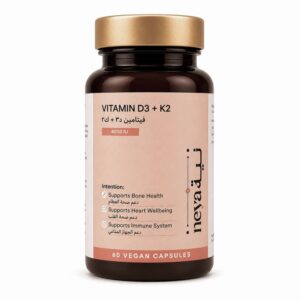
- Indoor lifestyles, despite abundant sunlight, mean vitamin D deficiency remains one of the most common and overlooked gaps in the GCC.
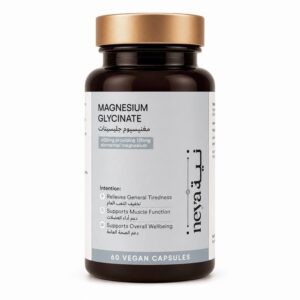
- Chronic stress and poor sleep, which can deplete magnesium levels over time.
- Heat and air conditioning, which increase demands on hydration and recovery.
- Convenience-led eating, which can leave silent nutrient gaps that go unnoticed for years.
It’s easy to assume these factors are simply part of modern life, but they also create an opportunity to become more aware, proactive, and intentional about our health. The goal isn’t to become obsessed with wellness. It’s to support our bodies before they begin asking for help.
What does wellness really mean?
For a long time, I thought wellness was about looking a certain way. Today, I define it very differently. Wellness is having the energy to enjoy your day, the clarity to focus on what matters, and the resilience to navigate life’s challenges. It’s the ability to care for yourself and the people you love, and the freedom to move through life with confidence and independence.
That’s what prevention protects. Not perfection, but possibility. The possibility of living fully, participating actively in life, and maintaining the quality of life we often don’t appreciate until it’s challenged.
Is prevention complicated?
Some people hear the word prevention and imagine complicated routines, restrictive diets, or endless wellness trends. I don’t see it that way. To me, prevention is one of the most practical forms of self-respect. It’s choosing to care for your future self and acknowledging that your body works hard for you every day and deserves support in return.
Prevention is understanding that health is not something we earn after a crisis. It’s something we nurture consistently throughout our lives. It doesn’t require perfection or extreme measures. It simply requires intention and a willingness to make choices that support long-term wellbeing.
Where should you start?
One of my mother’s favorite sayings was: “Don’t say you don’t know how to do it. Say you will try.” That advice applies to health as much as anything else.
Many people feel overwhelmed by wellness because they believe they need to change everything at once. In reality, prevention isn’t built through dramatic transformations. It’s built through small actions repeated consistently over time. A better breakfast. A short walk. An earlier bedtime. Or simply a commitment to learning more about your own health. One choice, one habit, one day at a time.
The future version of ourselves is shaped by the decisions we make today. While we cannot control everything that happens in life, we can choose how we care for ourselves along the way. That choice may be one of the most powerful forms of prevention we have.
Frequently Asked Questions
What is preventive health?
Preventive health is the practice of supporting your body before illness appears, through daily habits such as sleep, movement, hydration, stress management, and correcting nutritional deficiencies early rather than reacting to symptoms later.
Why is preventive health important in the GCC?
Modern life in the Gulf combines indoor lifestyles, intense heat, high stress, and convenience-led eating. These factors create silent nutrient gaps, including widespread vitamin D deficiency, that often go unnoticed until symptoms appear.
Is prevention only for older adults?
No. Because health issues usually develop gradually over years, the habits you build in your twenties, thirties, and forties shape how you feel decades later. Prevention is most powerful when it starts early.
Do I need to change everything at once to start?
No. Prevention is built through small, repeatable actions rather than dramatic overhauls. A single improved habit, practiced consistently, compounds over time.
Can supplements support a preventive approach?
Supplements are not a replacement for sleep, movement, or nutrition, but they can help address common nutrient gaps such as vitamin D and magnesium, which are frequently depleted by GCC lifestyles. For personalized guidance, we recommend consulting your healthcare provider.





Add comment