
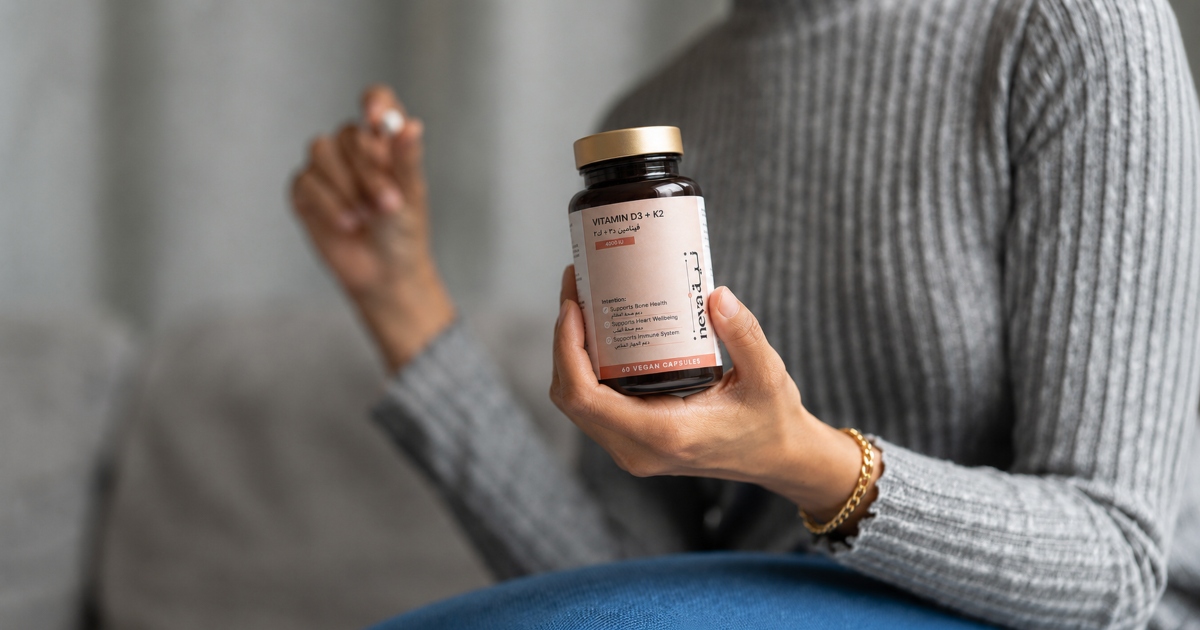
Vitamin D3 + K2 is often associated with women’s health, especially when conversations revolve around bone health, aging, and menopause. Because of this, many people naturally assume it is a supplement intended more for women than men.
But is that really the case?
Interestingly, low vitamin D levels remain extremely common across the GCC region, including Kuwait and the United Arab Emirates, despite the region’s intense sunlight and hot climate.
So why does deficiency remain so widespread?
The answer may lie more in lifestyle than geography. Many people today spend most of their time indoors, at offices, universities, malls, gyms, in cars, or at home. During the hotter months, direct sun exposure is often avoided altogether. Air-conditioned environments, sunscreen use, covered clothing, darker skin tones, and limited midday outdoor activity can all reduce the body’s ability to naturally produce vitamin D.
In fact, several studies from the region have found surprisingly high rates of deficiency. Research in Kuwait reported vitamin D deficiency rates as high as 81% among adolescents, while broader studies across Arab countries have shown that vitamin D deficiency and insufficiency affect a significant proportion of the population throughout the Gulf region (Al-Taiar et al., 2018; Hassan et al., 2025).
Over time, inadequate vitamin D levels may influence multiple aspects of health and wellbeing.
Why women often focus on Vitamin D
Women are often encouraged to monitor vitamin D levels more closely because of its important role in bone health, particularly during pregnancy, postpartum, perimenopause, and menopause.
As estrogen levels naturally decline with age, bone density becomes more vulnerable. Vitamin D supports calcium absorption, while vitamin K2 helps direct calcium toward the bones and teeth, where it is needed most.
Low vitamin D levels may also contribute to symptoms such as fatigue, muscle aches, low mood, and reduced immunity, symptoms many women experience without immediately connecting them to nutrient status.
What about men?
Men are often overlooked in conversations surrounding vitamin D, even though many of the same lifestyle patterns apply to them as well.
Long hours indoors, limited sunlight exposure, high stress levels, intense training schedules, and increasingly sedentary routines can all contribute to low vitamin D levels in men.
One Kuwaiti study found that 83% of male athletes had inadequate vitamin D levels despite living in a country with abundant sunshine (Alkoot et al., 2019), highlighting how common vitamin D insufficiency has become even in sunny environments. While reduced sun exposure likely plays a major role, researchers are still exploring why deficiency persists even among individuals who appear to spend time outdoors regularly.
Vitamin D has also been studied for its role in muscle function, physical performance, immune health, metabolic health, and overall vitality.
So… who really needs it?
The reality is that vitamin D3 + K2 is important for both women and men.
It is not simply a “women’s bone supplement.” Rather, it is a foundational nutrient combination involved in multiple systems throughout the body, from bone and muscle health to immunity and overall wellbeing.
And in regions like the GCC, where low vitamin D levels remain surprisingly common despite year-round sunshine, maintaining adequate levels may be more important than many people realize.
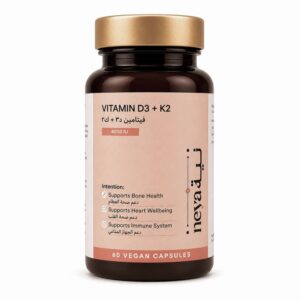
If you’re based in the UAE, Saudi Arabia, Kuwait, Bahrain, Qatar, or Oman and suspect vitamin D deficiency, get tested! Our supplements address the gap that climate and lifestyle create. NEYA’s Vitamin D3 + K2 formula combines both nutrients in clinically relevant doses, designed for residents of the Gulf region where deficiency rates run high despite sunshine.








Add comment